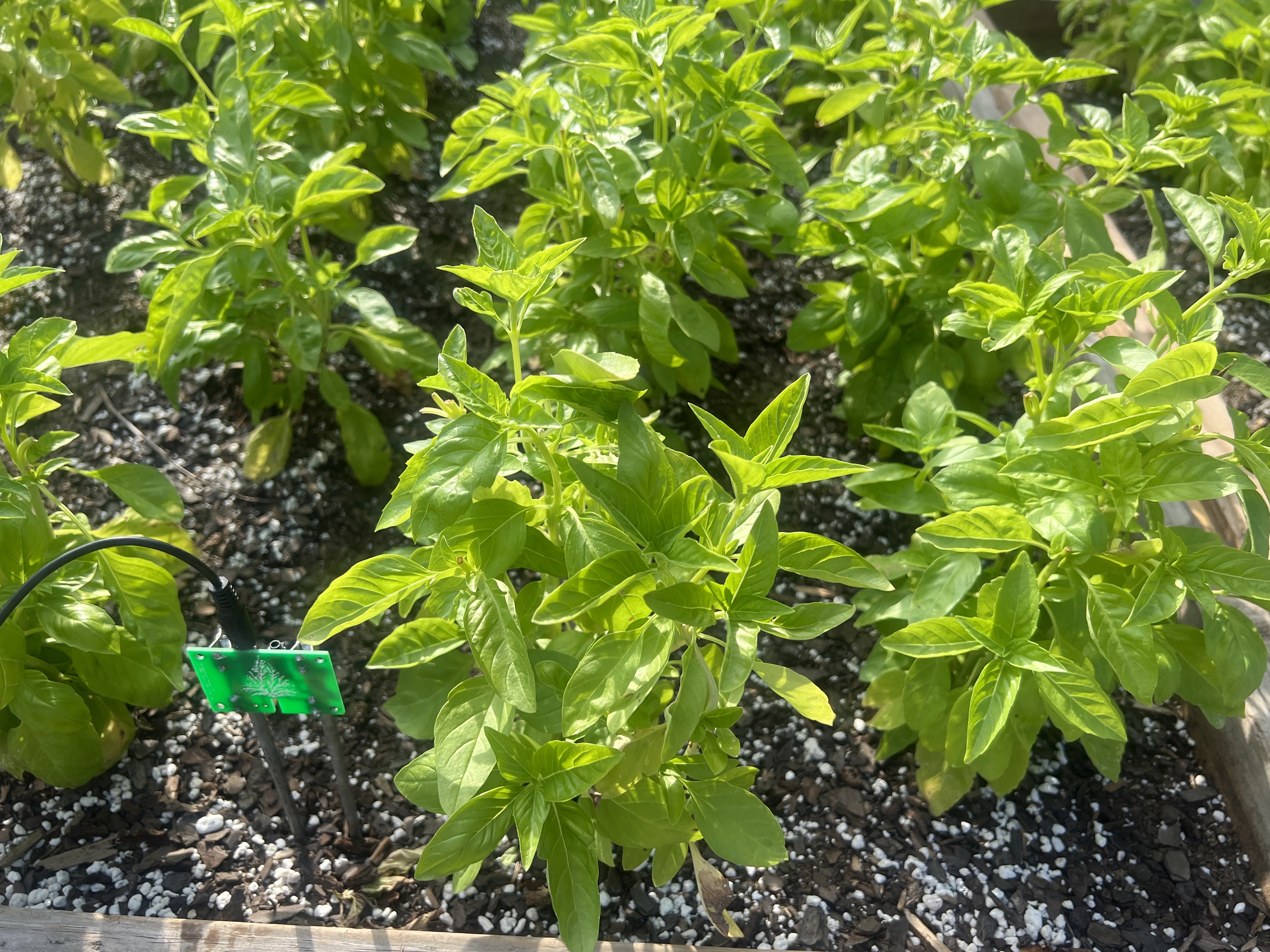
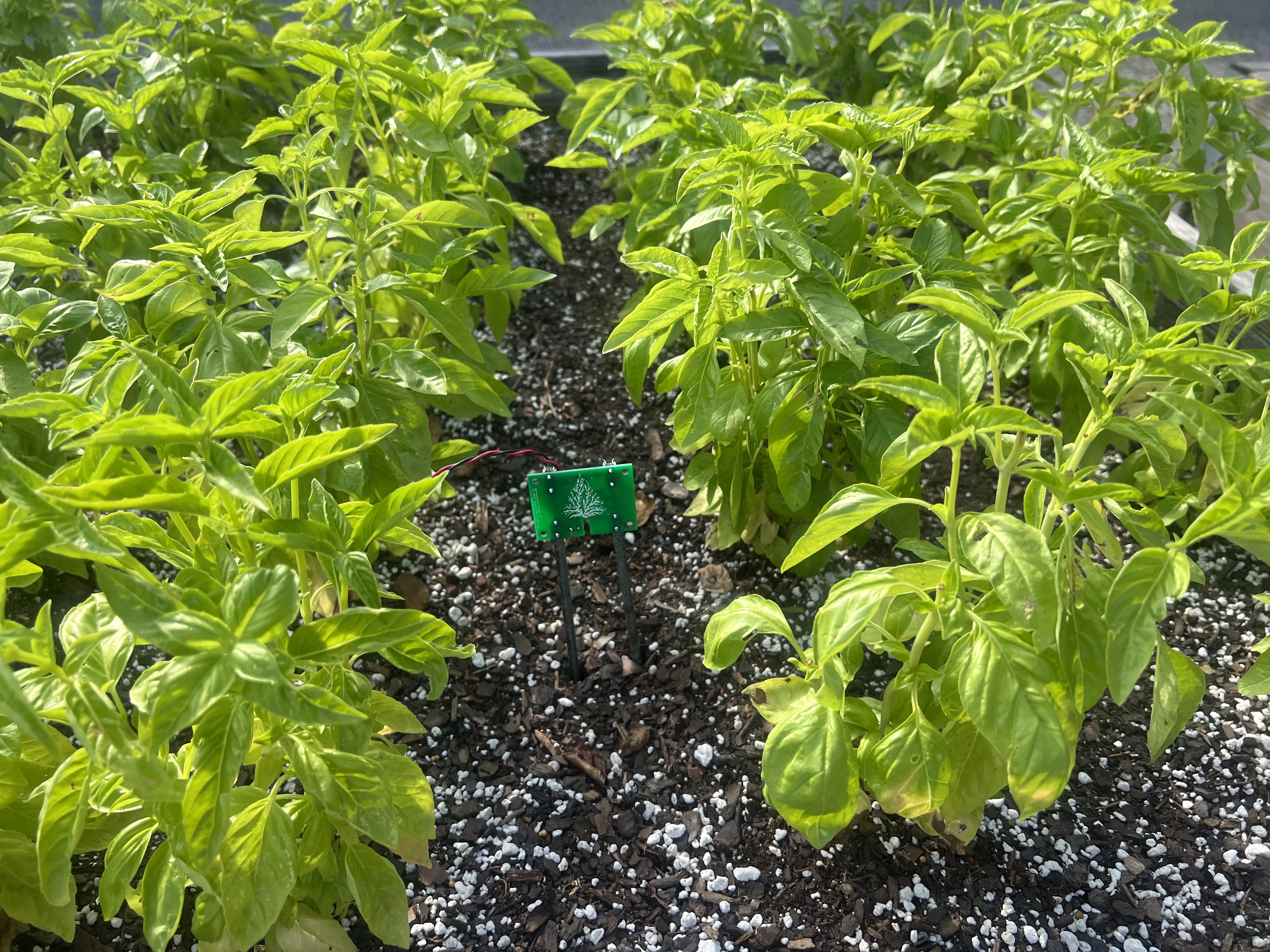
Signal Expansion Unit — Experimenters' Edition
Electrode holder for electroculture signal experiments. Clip in two replaceable carbon steel electrodes, connect to any power supply, and start running your own electric field trials in soil.
Key Features
- Holds two replaceable electrodes via secure clip connectors
- Connects to any DC power supply — use your own source
- Carbon steel electrodes included, swappable for other materials
- Good for DC field trials, radial field experiments, and polarity testing
- Simple design — no controller, no proprietary parts
Specifications
- Electrode Slots
- 2 (clip-style, replaceable)
- Electrodes Included
- Carbon steel (2)
- Power Source
- Any DC supply (not included)
- Field Type
- DC electric field — voltage determined by your supply
- Best Scale
- Containers, small beds, side-by-side trials
Secure checkout via Payhip
Product Details
Signal Expansion Unit — Experimenters’ Edition
A no-frills electrode holder for anyone who wants to run their own electroculture signal experiments without being locked into a proprietary system.
How It Works
Clip in the included carbon steel electrodes, connect the leads to a DC power source, and push the electrodes into your soil. The unit holds position in the root zone while you run the voltage. That’s it — simple by design.
What the Research Shows
Running a DC voltage differential through the root zone is one of the most replicated techniques in electroculture research:
- Active electric field exposure increases biomass and yield across multiple crop species
- DC fields influence mineral and nutrient transport through electroosmotic mechanisms in plant tissue
- Weak pulsed electric fields enhance stem water enrichment — relevant for drought resistance and water-use efficiency
These results come from peer-reviewed studies using setups similar to what this unit enables at home or in a small research environment.
Getting Started
- Push the two electrodes into soil roughly 6–10 inches apart in the root zone
- Connect the leads to your DC power supply
- Set a low voltage to start (many studies use 1–12V depending on electrode spacing)
- Observe over days to weeks — compare against an untreated control container
- Swap electrode positions, spacing, or polarity to iterate on your experiment
Pairing Ideas
| Setup | Notes |
|---|---|
| 9V battery | Easy starting point for a single container |
| Variable bench supply | Lets you dial in exact voltage and track current |
| HarvestStorm Collector | Run passive atmospheric collection alongside active field delivery for full-spectrum coverage |
Using a HarvestStorm Stimulator?
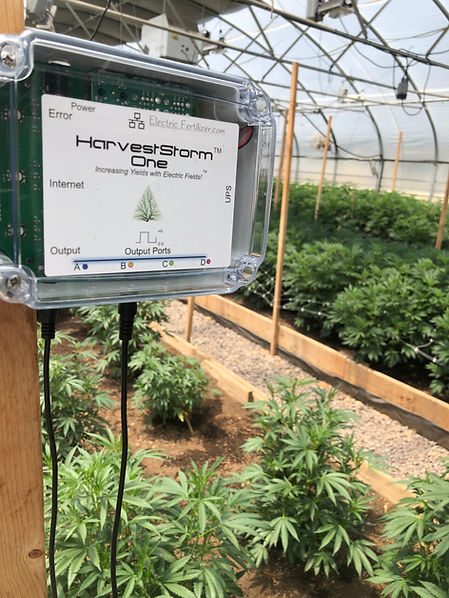
If you have a HarvestStorm One, egX-1g, or wood-circuit controller, the Signal Expansion Unit is pre-terminated to plug directly into your stimulator’s output — no adapters or improvised wiring needed.
You May Also Like
From the community
David has been extremely helpful with helping us get started with electroculture. He kept tabs on us every step of the way and as a result of the technology and his efforts we yielded 50% more tomatoes (+28% by weight)!
I was surprised at what a strong effect the electrical fertilizer unit had on my garden. This was especially noticeable with the tomatoes. The tomatoes near the field generator grew much larger and ripened a good week or more earlier than the distant ones. This also happened with the broccoli and eggplant.
My dad and I found David's website while searching for a 6th grade science project... Our electrified tomato plant produced 40% more than the control tomato plant. Thanks to David I won 1st place in botany for my school's Science Fair.
Unsolicited customer messages — not controlled research results. See Research for evidence-graded findings.
New to Electroculture?
Learn how this technology works and how to use it effectively inside Energetic Growers Academy.
Learn More